A Practical Guide to Maple Wood Bed Frames: Styles, Durability, and Care
An editorial exploration of how maple wood shapes bed frames—from solid builds to veneers—and what that means for longevity, finish, and daily living.
Maple has a quiet authority in furniture making. It’s not the loudest wood in the room, but it carries itself with a composure that invites careful, considered use. The species offers a spectrum of possibilities—from the unadorned honesty of solid maple to the versatile warmth of a maple veneer. In a world where design often meets the impulse of trends, maple wood bed frames stand as a reminder that durability and timeless aesthetics can share a single table of usefulness. This article unpacks the practicalities, the stylistic ranges, and the ongoing care required to keep a maple bed frame both sturdy and beautifully legible to the eye and the touch.
We’ll traverse three core dimensions: material truth (solid vs. veneer vs. engineered maple), finish and appearance (how coatings alter color and feel over time), and maintenance routines that extend life without sacrificing character. Along the way, we’ll reference how respected brands approach maple—without turning this into a shopping list—so readers can translate craftsmanship into everyday decisions within their own homes.
1) Material truths: solid maple, veneer, and engineered components
Maple as a furniture material emerges in distinct forms, each with its own promise and caveat. Solid maple bed frames offer a single-wood narrative from post to footboard. The grain runs uninterrupted, and the joints—when executed with traditional or modern joinery—tell a story of durability and repairability. A solid maple frame can age with a quiet patina, its surface taking on the signs of use as if to affirm a life lived with intention. The appeal here is clarity: a frame that remains legible as wood in motion, not a composite that hides layers beneath a glossy surface.
Maple veneer, by contrast, presents a different calculus. A thin sheet of maple applied over a substrate—often plywood or a more economical core—allows designers to achieve a consistent figure and a certain warmth at a lower price point. Veneer can be commanding in its own right: a well-executed veneer can reveal the depth of the grain in ways that feel high-end while keeping weight and cost more approachable. The downsides often lie in wear at edges and seams, where the veneer can be damaged or delaminate if moisture and impact are not carefully managed. The upside is abundant flexibility: a veneer surface can be paired with varied finishes, and it can be shaped to suit contemporary silhouettes without sacrificing the recognition of maple’s voice.
Engineered maple components—products of layered materials or cross-laminated elements—seek to balance performance with cost. These parts can deliver dimensional stability and resistance to warping, which is especially valuable in climates with fluctuating humidity. For a bed frame, engineered maple might underpin critical load-bearing areas or be used in panels that require less weight without sacrificing strength. Readers should consider these components as part of a larger system: the frame, the joinery, and the bedding sitting atop it all work together to realize a bed that endures use, move, and even the occasional relocation during a life’s chapters.
2) Style vocabulary: from solid silhouette to refined veneer
Maple frames translate into a stylistic spectrum that ranges from the austere to the warmly civilized. A solid maple bed with clean, unadorned lines reads as both modern and ancient at the same time—the kind of piece that seems to have emerged from a forest and found its place in a quiet room. The warmth of maple, especially when finished with oils that highlight natural grain without saturating the wood, offers a tactile invitation: you want to run your hands along the edge, feel the subtle micro-ridges and the smooth face of a well-executed joinery detail.
Veneered maple beds often lean into contemporary or transitional aesthetics. A carefully chosen veneer can reproduce the look of a mature, sunlit grain that would be costly to achieve with solid stock. Veneer allows designers to introduce a uniformity across large surfaces—headboards with a single, uninterrupted figure, side rails with consistent color—that can be difficult to realize with solid boards, particularly when procurement is spread across multiple production runs. In practice, veneer requires the right finishing approach to preserve depth and prevent warping over time. The best results come from finishes that allow the wood to breathe and age gracefully, rather than sealing it behind a layer that prevents character from developing.
For those who favor a more adventurous path, engineered maple components enable daring shapes and lighter constructions without sacrificing the bed’s structural integrity. The balance between appearance and performance fosters a narrative wherein form follows function—an idea that resonates in rooms designed for daily rituals and annual rituals alike: reading at night, tucking in, blankets drawn close against the chill of winter, the bed as a quiet stage for life’s repeated theaters.
3) Finish choices and the life of color
Finish is more than surface decoration; it is a negotiation between wood’s own personality and the environment in which the piece lives. Maple finishes can range from an oil or wax that enhances the wood’s natural warmth to a low-sheen varnish that preserves a crisper line while protecting against moisture and wear. An oil finish—often chosen for its ability to evolve with use—lets the grain drink in light and shadow, revealing subtle tonal shifts as the piece ages. This evolution is not a flaw but a feature: a maple bed frame becomes a map of the room’s seasons and the family’s routines.
Veneer finishes must be selected with equal care. A lacquer or polyurethane topcoat can produce a glassy, reflective surface that is modern in temperament; it can also obscure the grain’s depth. The right choice depends on where the bed sits in the home, how much traffic the room experiences, and whether the surrounding furniture leans toward minimalism or traditional warmth. For households with children or high-traffic spaces, finishes that resist impact and moisture—paired with edge protection and careful seam construction—will produce superior longevity without forgoing beauty.
Engineered maple surfaces often include protective topcoats designed for durability, yet those who want a more bespoke appearance may select aging-friendly options that patina with time. The key point is consistency: align the finish with the frame’s use-case and with the room’s overall aesthetic so that the maple frame remains legible and loved, rather than merely present.
4) Durability in daily life: joints, construction, and longevity
A bed frame’s durability rests on the integrity of its joinery and the distribution of mechanical stress. Solid maple frames typically rely on robust joinery—mortise-and-tenon, dovetail, or reinforced dowel connections—that resist racking and maintain alignment through years of opening and closing under sheets and blankets. The material’s natural hardness helps resist dents and scratches, though it can be more susceptible to surface wear if finished too delicately. The interplay between wood and hardware, chosen with care, defines how the frame holds up when a family climbs in late at night or when a heavy memory foam mattress exerts pressure across the rails.
Veneered maple beds depend on the core’s stability. If the core warps or the veneer edges peel, the perceived value of the frame may diminish even when the visible surface remains striking. Thus, attention to environmental controls—stable humidity, away from direct heat sources, with proper ventilation—helps preserve a veneer’s beauty as it ages. Engineered maple components, while highly stable, require good design discipline: load-bearing elements should be reinforced, and mounting hardware should be sized to manage the expected loads without compromising the surface aesthetics.
5) Care routines: keeping maple bed frames pristine
Care for a maple bed frame should begin with prevention. Use a soft, lint-free cloth to wipe down the surface regularly, especially in spaces with fluctuating humidity or exposure to sunlight, which can subtly alter color over time. When cleaning, avoid harsh detergents or solvents that could erode finishes. A mild, pH-balanced wood cleaner or simply a damp cloth followed by a dry towel often suffices for routine maintenance.
In terms of more assertive maintenance, consider how you treat joints and hardware. Periodic tightening of hardware is prudent, though not overdone; overtightening can cause stress that damages joints. For solid maple frames, a light application of a quality furniture wax or oil, following the manufacturer’s guidance, can help maintain the wood’s luster and resist surface wear. For veneer frames, the emphasis is on preventing edge damage and avoiding moisture intrusion at seams. Protective felt or coasters beneath decorative rails during movement can reduce scrapes and preserve edge integrity.
Humidity control remains a quiet but relentless ally. Maple thrives in stable environments; extremes—too dry or too humid—will, over time, reveal themselves as micro-warping or finish cracking. A humidistat in climates that swing can help tailor an indoor climate that respects maple’s natural tendencies. With thoughtful care, a maple bed frame can become a fixture of a home’s interior story, aging with the same sense of purpose as a favorite chair or a long-kept book.
6) Brand context and how makers approach maple
While this article remains non-brand-centric, it is useful to observe how reputable makers approach maple. Some craftspeople emphasize seamless solid-wood construction, choosing joinery that can be disassembled for relocation without compromising strength. Others leverage veneer for controlled aesthetics, pairing it with durable, moisture-resistant cores to strike a balance between beauty and practicality. Still others incorporate engineered maple elements to address environmental factors or to meet specific weight-bearing design requirements. The through-line in all cases is a commitment to craft, accuracy in measurement, and an intention to create pieces that invite daily use while offering a sense of quiet restraint that never feels frivolous.
When evaluating beds in maple, consider the joinery’s visibility, the finish’s behavior over time, and the frame’s ability to integrate with your existing bedroom ecosystem. A well-made maple bed should not shout its intelligence; it should simply perform its job—support, alignment, and a sense of calm that makes the room feel more like a sanctuary than a showroom.
7) A note on a social and environmental lens
Maple wood, when sourced responsibly, can reflect a thoughtful relationship with forests and stewardship. Opting for certified mills, or brands that transparently document their sourcing and waste-reduction practices, aligns daily living with broader ecological values. The material’s longevity is itself an argument for mindful consumption: a maple bed frame that is well cared for can outlast several trends, providing a steady anchor in an ever-changing interior landscape.
At the level of design ethics, maple frames can embody a sense of respect for the craftsperson who built them and the family that inherits them. They are not disposable objects but durable collaborators in the rhythms of home life. This is not merely about furniture; it is about stabilizing a living space so that it can evolve with the people who inhabit it, day after day, year after year.
8) Practical guidance: choosing a maple bed frame for your space
When selecting a maple bed frame, ask: Do you want the room to feel airy and contemporary, or warm and traditional? If you lean toward a modern look, a clean, solid maple frame with simple lines and minimal ornament can anchor the room without dominating it. If you crave warmth and a touch of history, veneered maple with a slightly richer finish can provide that cultivated glow without overwhelming other elements in the room.
Size, weight, and stability matter. For taller sleepers or rooms with high-traffic patterns, prioritize frames with reinforced joints and a robust foundation. If you plan to swap mattresses frequently, consider the frame’s ability to accommodate diverse bedding systems while maintaining alignment. And if you anticipate long-term use and occasional relocation, a design that favors disassembly and reassembly without compromising fit will serve you best.
Think of maple bed frames as a quiet conversation between the room’s architectural lines and the life lived within them. The right choice will not shout for attention but will earn its keeps through decades of service, aging with the same measured dignity you expect from a home that is both well-loved and well-built.
Product reference: a practical exemplar
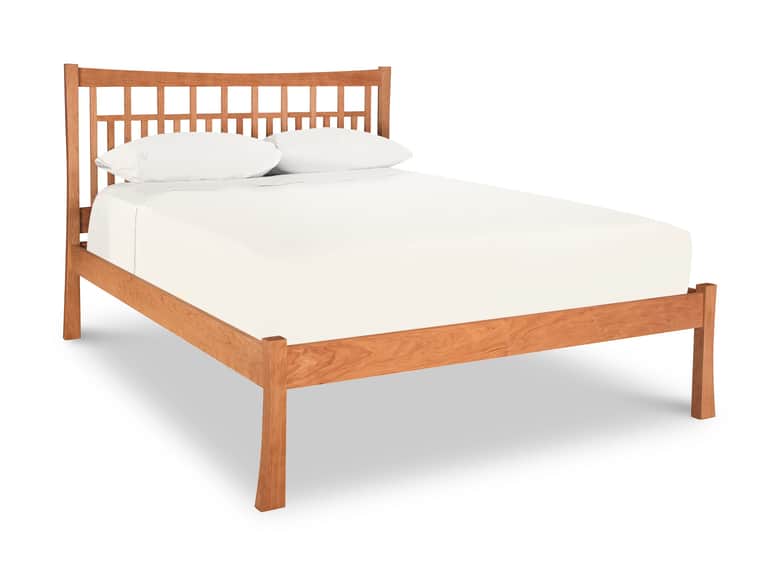
Among the available lines that align with maple’s virtues is the Contemporary Craftsman Low Footboard Bed by Vermont Furniture Designs. This solid wood platform bed embodies a craftsman approach—clean lines, sturdy joinery, and a finish that preserves the natural beauty of maple (or other select woods) in a manner consistent with lasting investment. Its design language speaks to the same principles discussed here: durability earned through precise construction, a timeless silhouette, and a finish that honors the wood’s inherent character. For readers who seek a model that mirrors these values, such a piece offers a tangible demonstration of maple’s potential when combined with thoughtful design and responsible manufacturing.
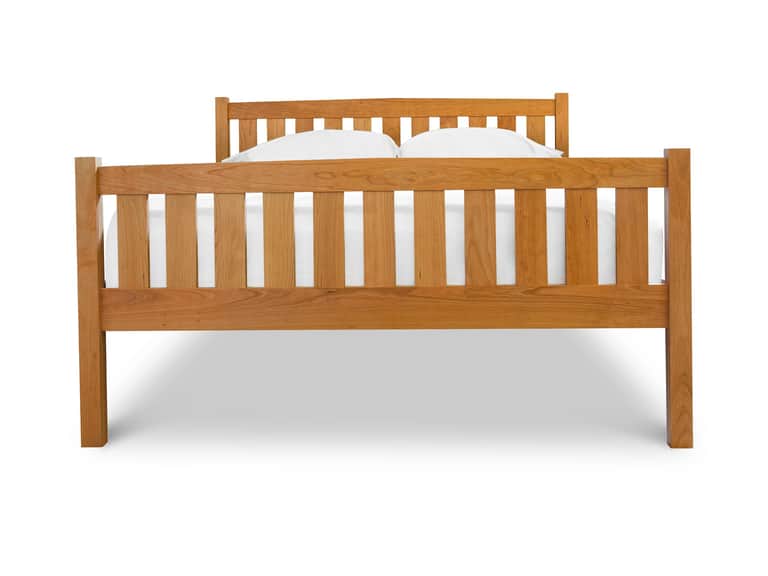
Another noteworthy option in the same family of design and construction is the Bennington Bed with High Footboard, which emphasizes robust platform construction and a timeless profile that remains legible across trends. Its solid-wood foundation and traditional lines illustrate how maple’s strength translates into a practical, aesthetic choice for a bedroom that prizes stability and quiet elegance. These examples help illuminate the bridge between material philosophy and real-world selection.
Conclusion: maple as a guarantee of everyday durability and quiet beauty
Maple wood bed frames offer a persuasive blend of durability, beauty, and adaptable styling. Whether you prefer the uninterrupted warmth of solid maple or the refined control of a veneered surface, maple frames invite a thoughtful approach to both design and care. The material’s inherent strength, coupled with a mindful finishing strategy and regular maintenance, can yield a piece that remains a steady presence in your home for generations. In these times when furniture can so easily be transient, maple bed frames remind us that there are things worth the wait—crafted with intention, built to endure, and capable of aging with dignity as years unfold around them.
Notes for further reading and exploration
- Explore how different joinery techniques impact frame longevity and repairability.
- Consider environmental certifications and wood sourcing transparency when evaluating maple pieces.
- Read about maintenance best practices in natural wood furniture care and how climate can affect wood fibers over time.
Related products
- Contemporary Craftsman Low Footboard Bed — A solid wood platform bed handcrafted to order in Vermont, finished with an eco-friendly oil in natural Cherry, Maple, or Walnut. Durable centerpiece designed to endure for generations. View product
- Bennington Bed with High Footboard — Solid wood platform bed with traditional lines and a timeless foundation. View product
- Loft Bed — Solid sustainably harvested cherry wood with traditional joinery and an eco-friendly oil finish, crafted in Vermont. View product